For new parents, each milestone your baby reaches can be a nerve-wracking experience. You want their smile to be healthy and strong, but you also want to be sure you’re doing everything correctly, and that they’re on the right track as they develop. When it comes to your little one’s growing grin, it can be hard to understand what’s happening, especially when they can’t tell you themselves. Here are four facts about baby teeth, so you’ll be better informed about how to handle their oral health as they get older!
Dental Debuts
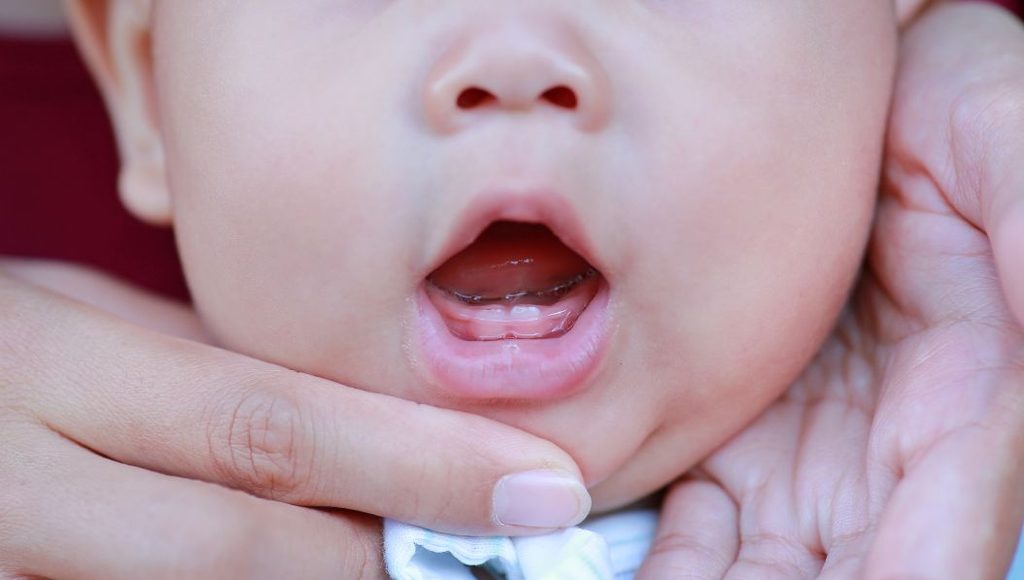
Did you know that your baby already had their first set of primary teeth at birth? It’s true! Those precious pearly whites have been there all along, waiting below the gumline until their mouth is ready for its big transition, which cleverly coincides with when they will begin eating solid foods and relying less on breastmilk or formula. In most cases, this will occur between six and 12 months of age; however, it can sometimes be sooner or later. Either way, be prepared to bring them to their first dental checkup and cleaning as soon as their first tooth erupts, or by their first birthday even if they’re still toothless.
Introducing Fluoride
Fluoride is an essential mineral for strengthening tooth enamel and protecting against sensitivity, cavities, and decay. It is often added to public water supplies, can be found in a variety of natural sources like lakes and rivers, and is even present in many of the foods we eat. It is also added to oral hygiene products like toothpaste and mouthwash.
At around six months of age, it is safe to begin introducing fluoride to your tot’s diet. The easiest way to do this is to provide them with a bottle of fresh tap water (most bottled water brands don’t add fluoride). Then, once their first tooth erupts, you can begin brushing it with a fluoridated infant’s toothpaste, too.
Products to Pass On
Teething can be a difficult time for the entire family. Between the increased fussiness of your little one and the feelings of helplessness of the parents, it’s a chapter that many people are eager to move past. Thankfully, there are many ways to make this time more comfortable for your child, such as the use of teething rings, gum massages, and allowing them to chew on cool washcloths.
However, be careful with which products you choose, as some can be dangerous. To that end, be sure to avoid:
- Amber teething necklaces are both a choking and strangulation hazard.
- Water-filled teething rings can rupture, and the inner fluid can cause illness.
- Products such as teething tablets or gels that contain belladonna or benzocaine to numb the gums can be potentially hazardous and cause harmful side-effects.
Why Baby Teeth Matter
Often, parents aren’t concerned about the condition of their child’s primary teeth because “they’re just going to fall out anyway.” However, this is a dangerous way of thinking, because baby teeth do a lot more than you might realize. In addition to making it easier for your child to enjoy a full diet, they also hold the proper space for their permanent teeth, allow your child to speak clearly, and even encourage proper facial growth and development. Thus, don’t discount their importance, and be sure to take proper care of them so they can play their part in creating your child’s healthy, beautiful, permanent smile.
Remember, having a teething baby can be a challenge for the whole family, but these important milestones are necessary for allowing your little one to grow their healthy, adult grin on time. So, don’t get discouraged about dental pain and fussiness along the way and try to remember that no matter what, their healthy smile is worth the trouble!
About Dr. Pike
Dr. Steven Pike earned his bachelor’s degree at the University of Oregon, his Master of Public Health degree from Tulane University, and his dental degree at the University of Southern California School of Dentistry. He has served on the prestigious American Academy of Pediatric Dentistry conference committee, and is a current, active member of the American Dental Association and the Oregon Dental Association. To schedule your baby’s first dental appointment at Dr. Pike Dentistry for Children, visit our website or call us today at 503-297-1711.