Phase 1 Orthodontics – Portland, OR
Early Treatment to Help Smiles Thrive
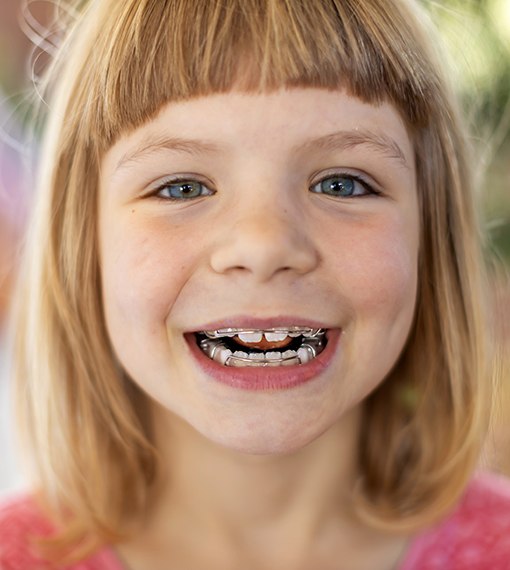
Ensuring your child maintains a healthy smile means doing more than keeping it cavity-free. It also means addressing early signs of bite misalignment, a process that is known among dental professionals as Phase 1 Orthodontics in Portland. At Dr. Pike Dentistry for Children, we offer this service to correct crooked, crowded, and gapped teeth that are present in a child’s smile. By intervening early, we can help your child welcome their adult teeth and avoid extensive orthodontic treatment in the future. If you have questions about whether your child might need this kind of care, call to schedule a consultation.
Why Choose Dr. Pike Dentistry for Children for Phase 1 Orthodontics?
- Dentist & Team Provides Compassionate Care
- We Take a “Big Picture” Approach to Dentistry
- Families Have Relied on Our Dental Practice for 50+ Years
How Phase 1 Orthodontics Works

Phase 1 Orthodontics focuses on the developmental elements of your child’s smile. The goal is to reduce the need for potentially extensive orthodontic treatment later by addressing early signs of crooked, gapped, or overcrowded teeth.
Dr. Pike is likely to recommend this type of early intervention if your child:
- Has baby teeth that have fallen out prematurely
- Has teeth that are not coming together as they should
- Breathes through their mouth, not their nose
- Has an overbite
- Has a speech impediment caused by poor bite alignment
- Practiced non-nutritive habits early in their oral development (i.e., thumb-sucking or pacifier use)
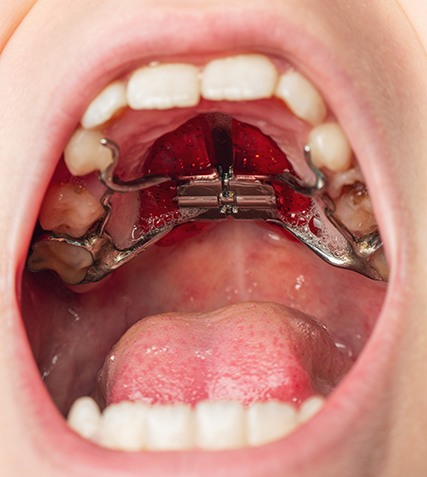
The only way to address these issues is for a member of our team to create a tailored plan targeting the issue with custom appliances. This may include a palatal expander to widen the upper jaw, partial braces to address crookedness, or space maintainers to prevent dental drift and allow permanent teeth to erupt effortlessly.
Who is a Good Candidate for Phase 1 Orthodontics?
As we closely monitor your child’s smile, we will notify you of any changes that seem concerning. Although you may not notice issues at home, our team can quickly identify them. The only time you might notice a problem is if your child has a speech impediment or breathes through their mouth while asleep.
Your child will be recommended as a good candidate for Phase 1 Orthodontics if they:
- Their upper teeth protrude out over their bottom ones
- Their jaw appears disproportionate
- They have trouble speaking clearly
- Their teeth have multiple gaps
- Their teeth appear crooked or crowded
The Benefits of Phase 1 Orthodontics
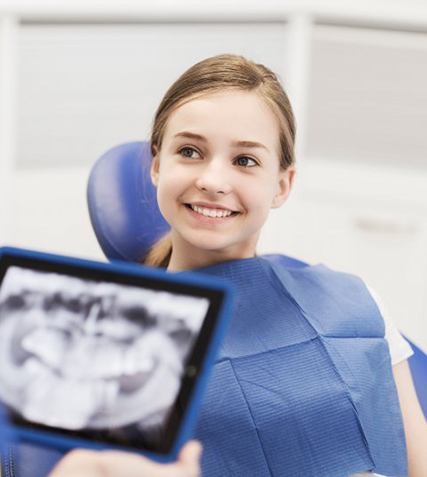
Many parents may feel apprehensive about starting Phase 1 Orthodontics, but early intervention can produce great results. Some of the advantages you and your child can expect as part of this process include:
- Your child will receive treatment while their face and mouth are still growing. This means it will be easier for everything to move.
- Your child will likely avoid more extensive orthodontic treatment in the future, as well as the potential for oral surgery.
- Your child may not need braces later on.
Phase 1 Orthodontics FAQs
What Appliances Are Used in Phase 1 Orthodontics?
If your child needs Phase 1 Orthodontics in Portland, you can expect the appliances to be simpler than those used in more complex phases. Some of the most common appliances you might find include:
- A palate expander is used if your child has overcrowded teeth and needs additional space in the upper jaw.
- A space maintainer may be necessary if your child loses a baby tooth too early, as it will allow the permanent tooth to move into place without issue.
- Limited braces may be required if your child has severe dental problems, but they’ll only be placed on specific teeth.
- A retainer will be required after your child completes Phase 1 Orthodontics.
- If your child’s jaw is imbalanced, a Herbst appliance and steel crowns that are bonded to their molars can improve their malocclusion (bite).
Are Phase 1 Orthodontics Painful?
You and your child do not need to worry about pain during appliance placement; however, do not be surprised if, afterward, your child begins to feel slight discomfort. This is normal and usually only temporary. Their mouth will adjust to the recommended treatment, and you can use over-the-counter pain relievers and ice packs to alleviate soreness and discomfort.
The reality is that your child will likely experience more pain if they don’t receive Phase 1 Orthodontics, especially since bite misalignment can create problems when they try to eat.
Does Phase 1 Orthodontics Affect Diet & Nutrition?
When your child begins Phase 1 Orthodontics, they will need to avoid certain foods depending on the type of appliance they receive. If it is removable, there will likely be no dietary restrictions. If they have one that is fixed in place (i.e., a palate expander or braces), they will need to be careful to avoid nuts, steak, and raw veggies, as these can damage the appliance.
Also, a general rule of thumb is to have your child eat soft food while wearing braces or permanent appliances. This reduces pain and protects their teeth and appliances from sustaining any damage, which can delay the treatment process.
Is Phase 1 Orthodontics Covered by Insurance?
The only way to know whether your dental insurance covers Phase 1 Orthodontics is to review your plan or have a member of our team work on your behalf. Some insurance companies offer partial coverage for treatment, but every plan and case is different.
At Dr. Pike Dentistry for Children, we are in-network with Delta Dental Premier, but also welcome other plans. We’ll file any necessary paperwork and claims forms on your behalf so you can receive the maximum reimbursement from your insurance company.
If you are without dental insurance, you can ask our team about flexible financing to help you manage your budget while taking proper care of your child’s smile.